Let’s Be Fair About This

The season of state convention annual meetings is upon us. Our annual meeting in South Carolina is scheduled for November 16th-17th in Columbia. All across the SBC, states are gathering for times of worship, encouragement, inspiration, and difficult decisions during business sessions. Many of the state conventions are in the beginning phases of making adjustments after the passing of the Great Commission Resurgence Task Force recommendations this past June during the SBC annual meeting in Orlando. The task force asked for SBC churches to shine the light upon how we as Southern Baptists can do better in fulfilling the Great Commission. So, state conventions, wrestling with struggling economies and fulfilling the desire of its messengers, are beginning to adjust their budgets accordingly.

Part of the budget decisions facing many state conventions is not just whether or not to increase or decrease their budget based on projected income from the member churches over last year. Another decision that states face is what to do with their percentages as it related to the Cooperative Program. The bare-bones question is this: “How much do we keep in state and how much do we forward to SBC causes?” Messengers from member churches make this decision. Historically, the percentage goal for allocation of CP dollars has been 50/50. At the beginning, Southern Baptists saw this as the ideal. In 1934, the SBC approved a distribution of receipts which called for “50% for Southwide (SBC) purposes and 50% for statewide purposes” 1

The 50/50 goal has not yet been embraced consistently across the SBC. Since that time, states have taken on their own buildings, agencies, schools, staff, and ministries. As a result, the distribution percentages have slowly but steadily shifted in favor of the state conventions. Since 1930, the division of CP funds between state conventions and the SBC has averaged 63.55% to the state and 36.45% to SBC causes.

Each state is autonomous. They can set their own budgets, choose which ministries to pursue, what and how much staff to employ, and decide what percentage of CP fund to retain. Currently, our South Carolina Baptist Convention retains 59.6% and forwards 40.4% to the SBC. Messengers to the SCBC annual meeting this year will see a proposal of (59% retain and 41% forward). I believe that our state convention is retaining too much of the CP dollar. Over the past years, and especially now with states being called upon to put more CP dollars to work on the mission field outside North America, the thought and necessity of a 50/50 split is being heard again. The state conventions of Kentucky, Florida, Nevada, and Tennessee will be at least considering  recommendations to move toward a 50/50 division of CP funds.

I am in favor of such an allocation. To my knowledge there has been no mention if South Carolina Baptists will hear a proposal to move toward a 50/50 split. I hope we do. I hope the messengers get a chance to speak to such a recommendation in the future. Here is why I feel this way. Even if our messengers approve a 59/41 split, proportionally it seems out of balance. Here in North America, the barriers to the advancement of the gospel are fewer. Think about it for a moment. Physically reaching the lost across North America is easier. Days of difficult travel to reach people groups do not exist in North America. Technology has made a variety of delivery methods available. It has also made communication between workers quicker and more efficient. Networks of church planters and those who provide resources and training to them are already in place. For the most part, the language barrier is not as great a battle here as it is in other parts of the world.

The barriers to the advancement of the gospel are greater overseas. Travel to and from remote cities and villages s difficult, time-consuming, and potentially hazardous. Limited technology in many parts of the world makes it more difficult for missionaries to communicate with each other and with those whom they serve. In turn, this limits the ways in which the gospel can be delivered. We have the luxury here in North America to be able to use social networking (Facebook, Twitter, blogs, etc), video, unnumbered styles and varieties of gospel tracts, different Bible versions, and advertising to get the gospel message out. At times, our missionaries are the only “professional” in a particular area. I worked on several work and witness teams with an IMB missionary who was responsible for the Miskito people group. His area of responsibility covered the coastal and inland sections of both Honduras and Nicaragua. Contrast this with North America where we seemingly have churches on every corner with pastors and planters having each other to give encouragement, support, and resources in order to better reach people.  The language barrier hinders any kind of work. Although our missionaries spend time in language school before arriving on their field, it still takes time to effectively communicate the gospel, especially when some of our words don’t even exist in native tongue.

 Despite the contrast, we are sending more money and resources to North America, and more especially our state, and less to the foreign mission field. If we have clearly been given a mandate to reach all the nations with the gospel, and I believe that we have, then our funding should reflect the priority. Lostness is lostness, here and abroad. Should we not be funding our missions efforts equally? I believe there are a number of our state convention agencies that have the ability to gain funding outside of the CP channel. I firmly believe that the missions agencies of the SBC whose sole support is CP monies should have what they need in order to active in pushing back darkness around the world.

Would our state convention in South Carolina have to make adjustments in order to get to a 50/50 split in Cooperative Program giving? Without a doubt. Would a 50/50 split challenge the state convention and its leadership to make hard decisions and sharpen their focus on the lost beyond state lines? Absolutely. Would this be the right thing to do? I believe so.


1 – SBC Annual 1934 (pp. 38-49)

A Month of Ministry

I love the community I which I live. I love the community in which our church has been planted. I believe with all of my heart that the best years are before us and that we are going to make a difference in our Jerusalem. God is giving us at Port Royal Baptist Church some new and creative opportunities to minister to the people of Port Royal. For this, I am thankful. Two such opportunities come our way in the month of October: the Festival of the Sea community festival in Port Royal and our annual Fall Festival and Trunk-or-Treat.

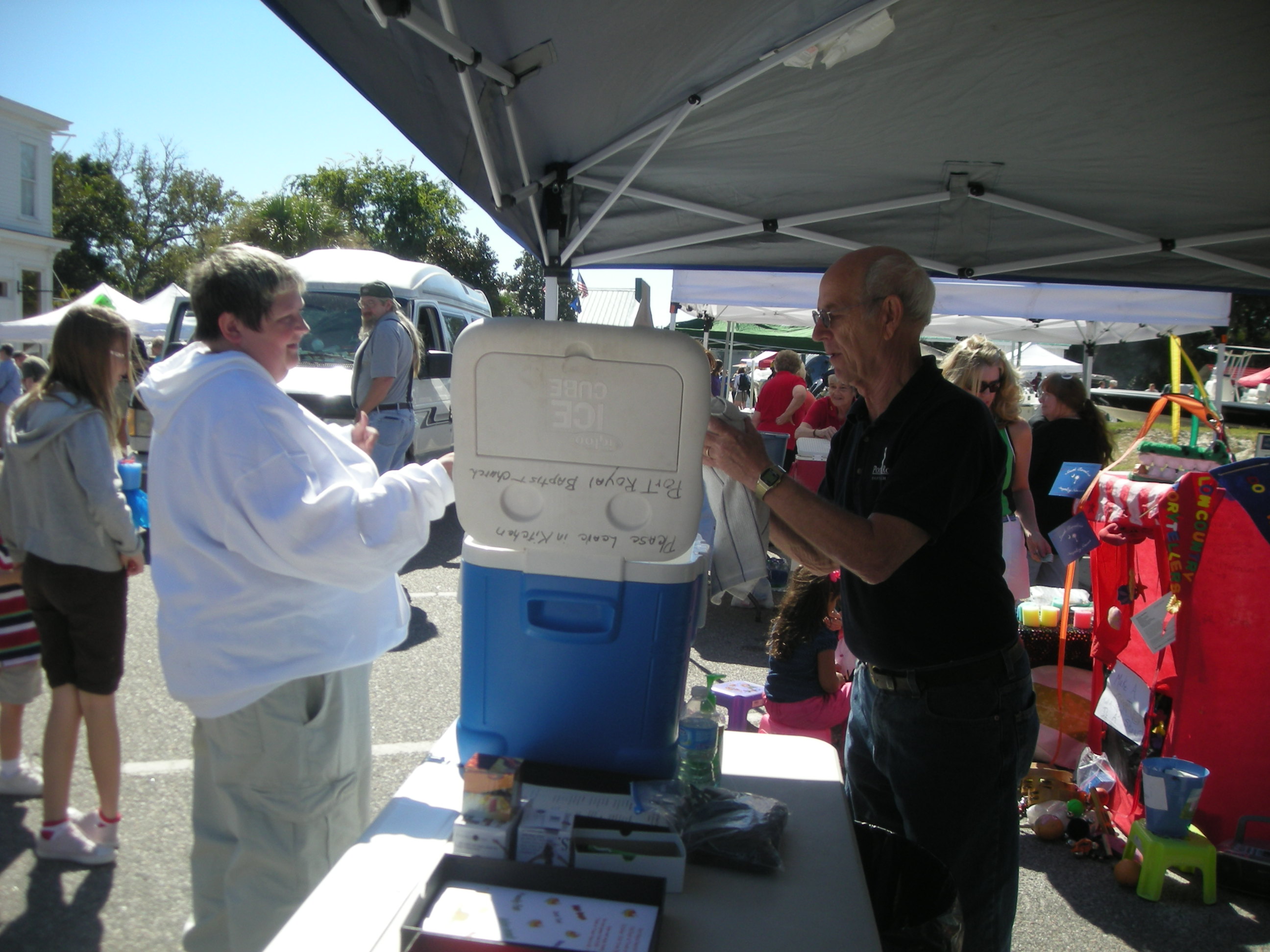
October 16th brought the Festival of the Sea in Port Royal. The purpose of this festival was to highlight and bring attention to the businesses located in the old village section of Port Royal. There was food, music, a car show, and local business vendors lining Paris Avenue. We had the opportunity to set up a booth and introduce our church to the people who stopped by. We gave away cold water and popcorn, along with information about our church and its ministries. Face painting and balloon animals were a big hit with the children. I am proud of the 27 volunteers from PRBC who gave their time during the five hours we were there. I want to also thank Larry Leming, Missions Ministries Director from the Savannah River Baptist Association, for spending the day ministering with us. It was a great day of meeting people, building relationships with people and businesses, and sharing the gospel as allowed. Below are a few pictures from the day.


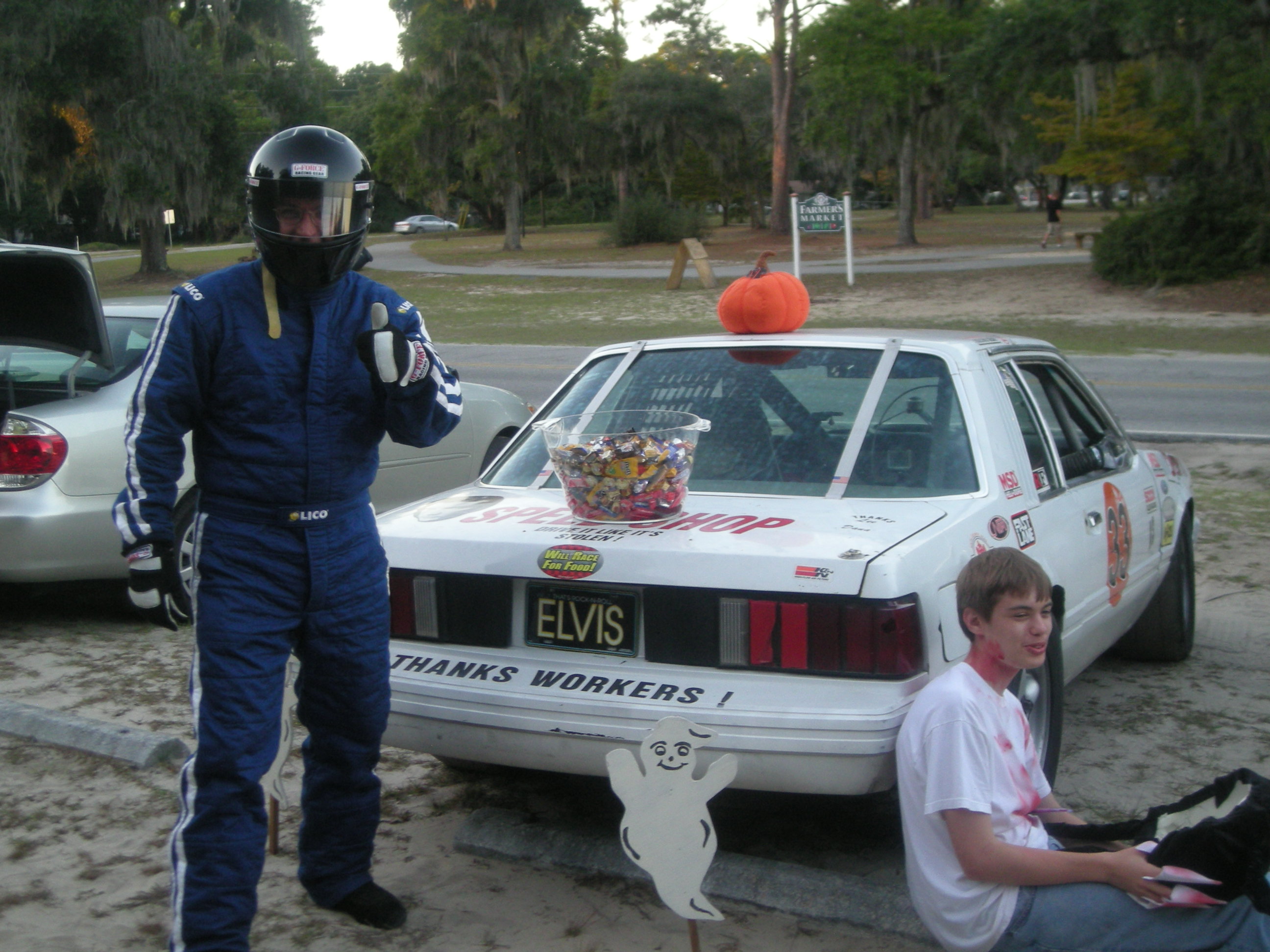
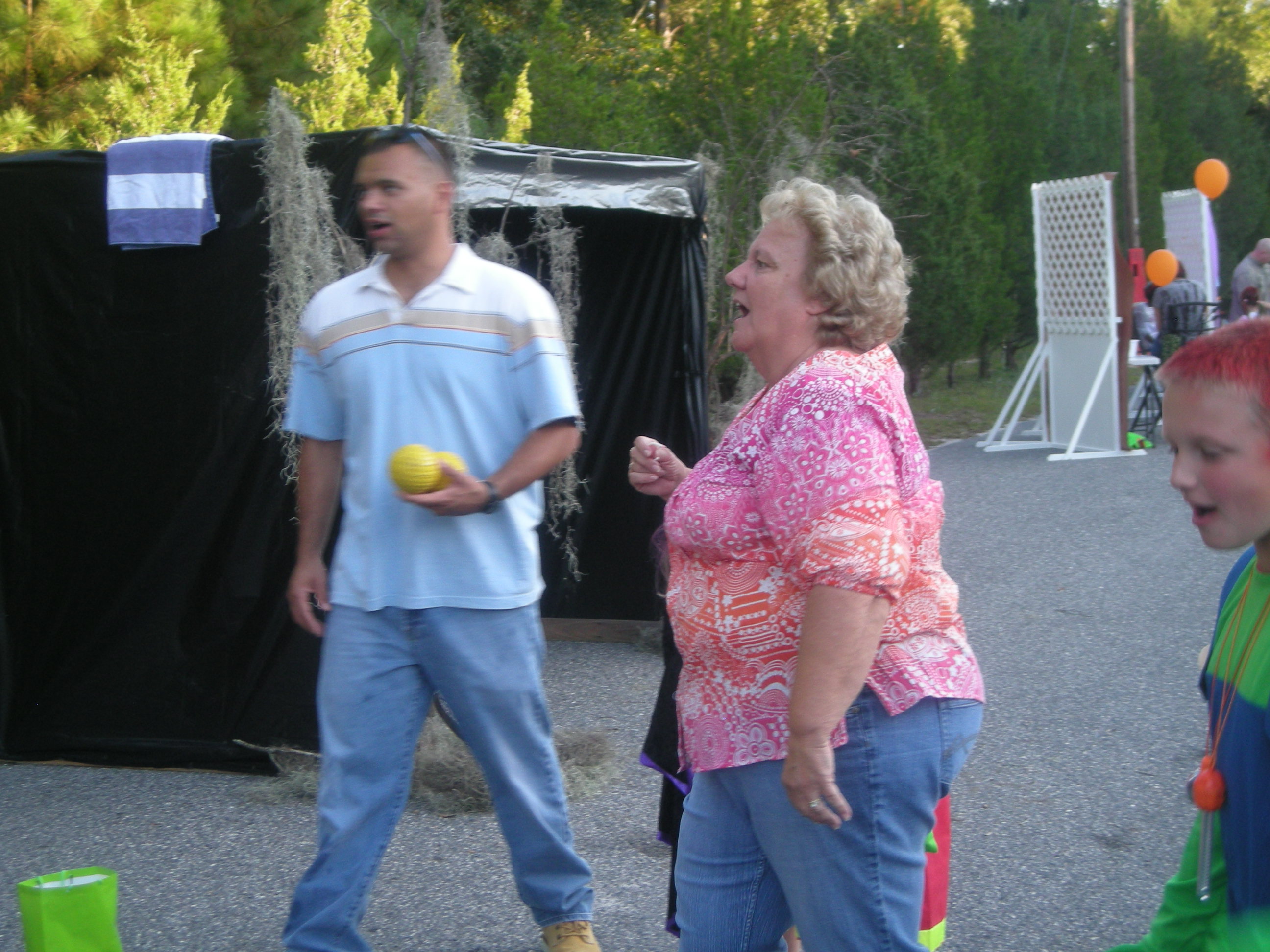
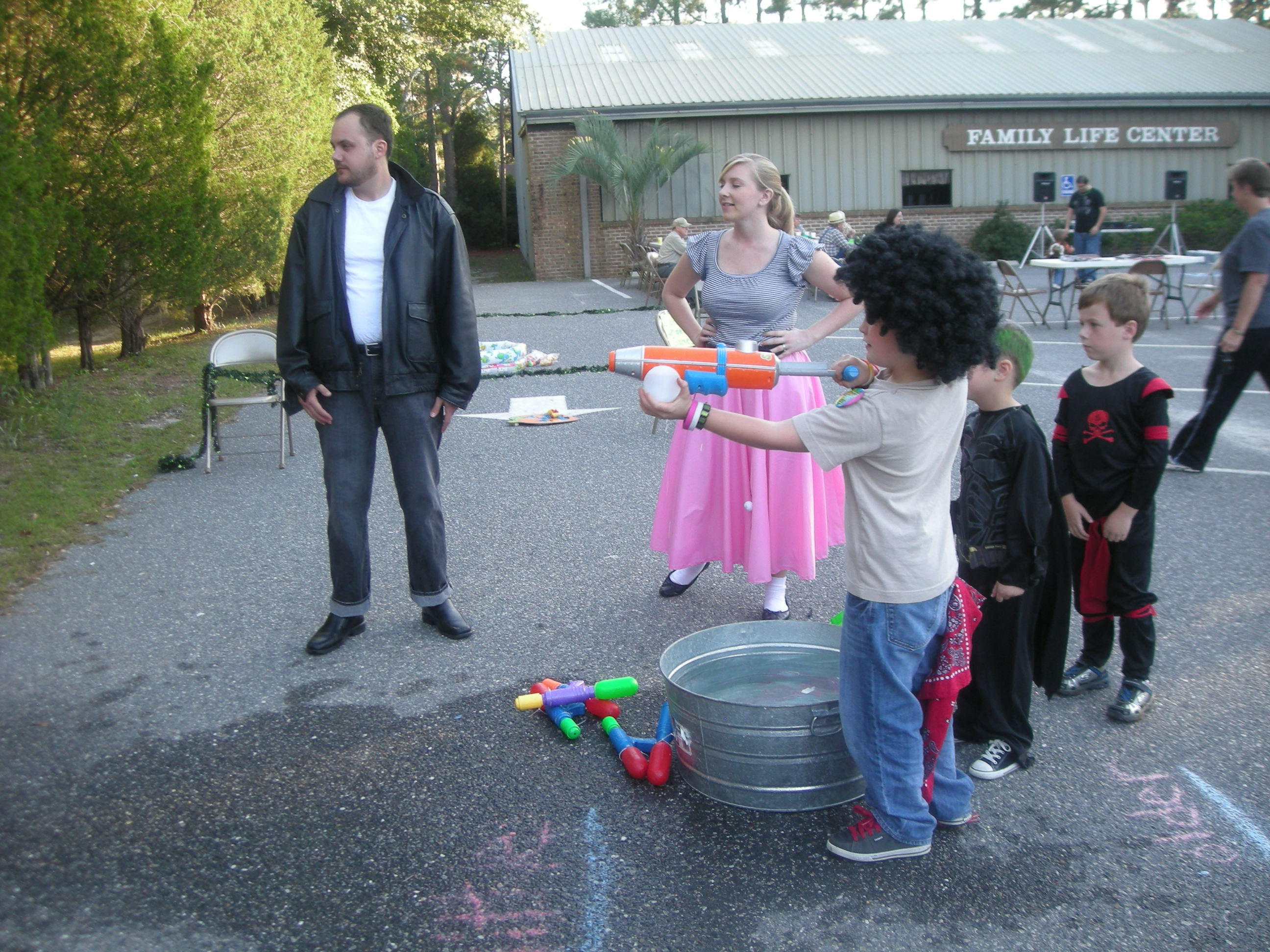
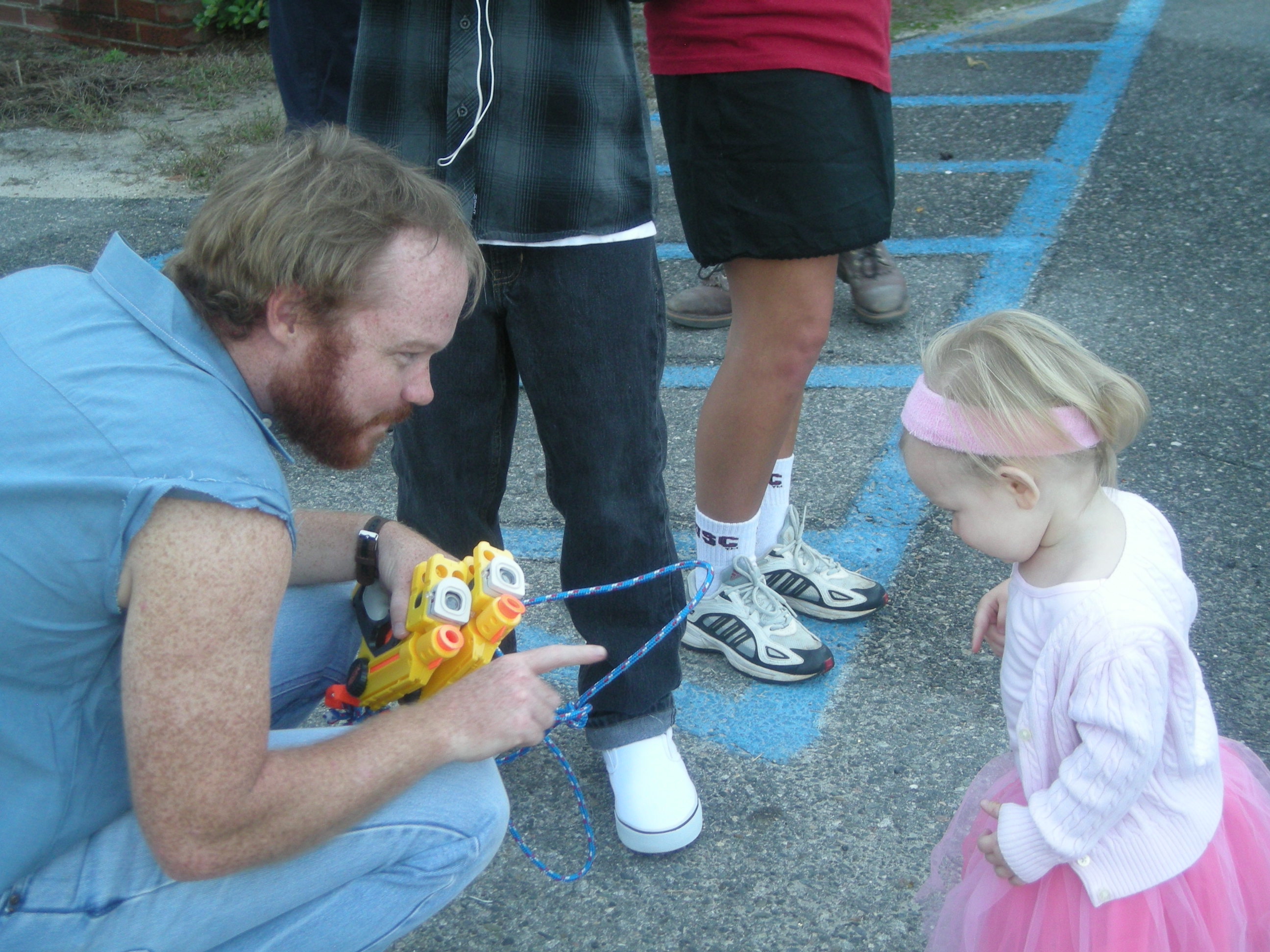
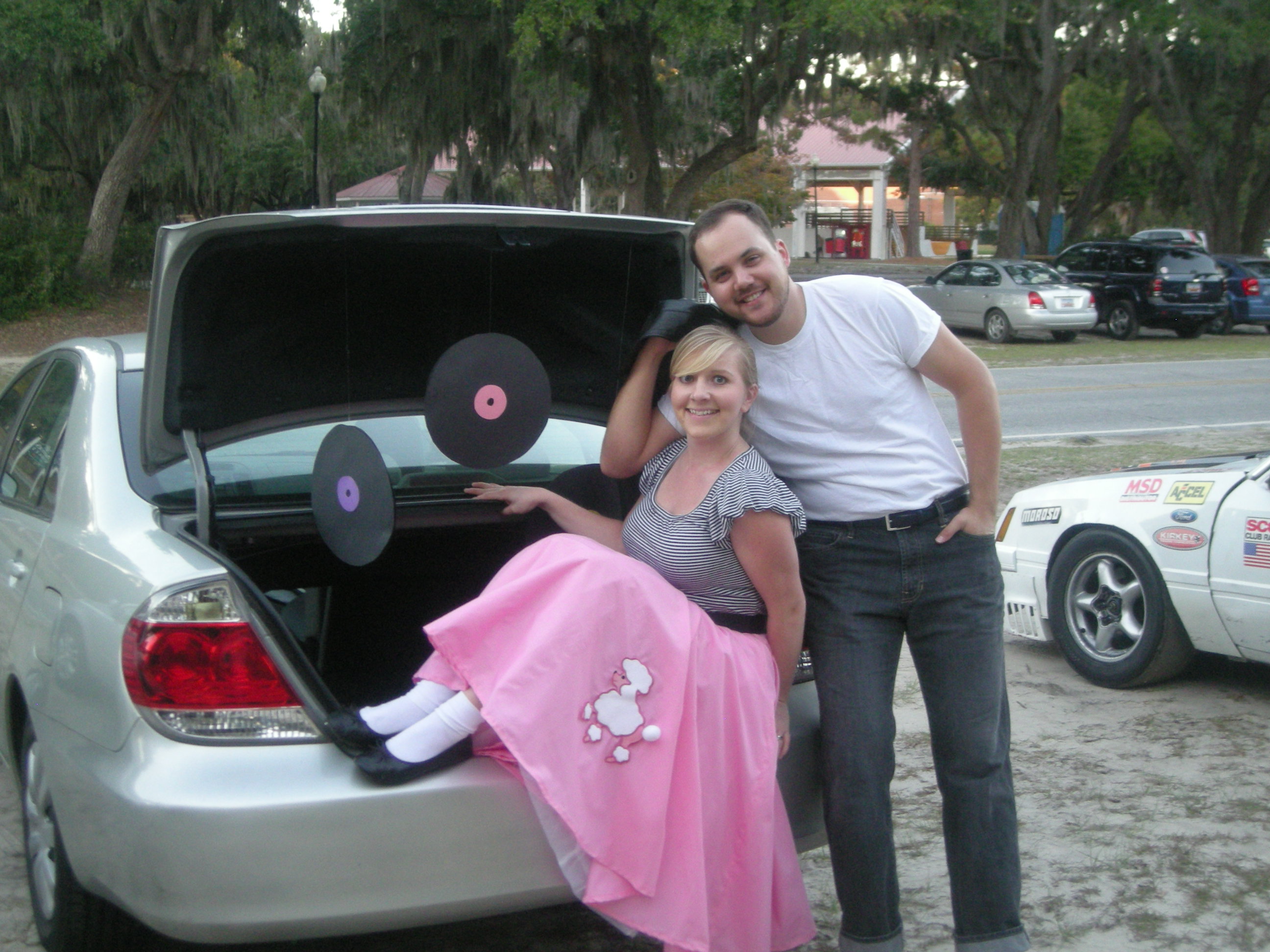
October 31st brought our annual Fall Festival and Trunk-or-Treat. Halloween brings with it the carnival-type atmosphere of fall festivals and similar events. We wanted to take advantage of this opportunity to provide a safe alternative to trick-or-treating. With food, games, prizes, fellowship, and conversation, we were able to bridge the gap between entertainment and outreach. It was a real privilege to spend some time with the people of Port Royal. We had approximately 150 people on campus Sunday night. I want to thank all who made this year’s fall festival a success. You are appreciated and you labor was not in vain. Below are a few pictures from the night’s activities.


FIFS : John 9:26-27

26. Then they said to him again, “What did He do to you? How did He open your eyes?” 27. He answered them, “I told you already, and you did not listen. Why do you want to hear it again? Do you also want to become His disciples?”

I believe that John 9 is one of the most humorous chapters in the entire Bible. It is the story of Jesus’ healing of a man who was blind from birth. Jesus healed this man on the Sabbath and, as expected, draws a great deal of criticism from the Pharisees. In what should have been a time of joy and celebration because of received sight, turned into an interrogation and day of intimidation. The parents of the blind man were asked who had given their son his sight. They told the Pharisees to ask him. Their fear was rooted in the assurance that anyone who believed that Jesus was the Son of God would be thrown out of the local synagogue. This would have been a scarlet letter. The blind man was asked three times how he had received his sight. They asked, he answered. They asked again, he answered again. Again they asked, and this time he answered with frustration, “I told you already, and you did not listen. Why do you want to hear it again? Do you also want to become His disciples?” Were the Pharisees going to become disciples of Christ? Of course not. Does the blind man’s question have merit? Oh yes.

Something wonderful happened to the blind man. He received his sight. He was different. He was changed. The people around him could not help but notice. The man that the town had always known as “blind”, now had his sight. The difference Christ made in his life was standing out. The difference Christ has made in our life is going to stand out and draw attention. The world will notice when we stop and ask a blessing over our lunch at work. The world will notice when we treat others with dignity and respect. The world will notice when we acknowledge that our faith guides our decisions, both large and small. The world will notice that although we may be enduring a difficult storm, there is something unusually calm about our life.

How does this relate to our passage? Thanks for asking. As people see something different about you (like the town people did in the blind man), they will eventually begin to ask questions about your life (much like the Pharisees did of the blind man and who had healed him). Our changed life should solicit questions. As our friends, families, and coworkers look at our lives and ask us why we are they way we are, we have the opportunity to ask a question much like the one the blind man asked. His question was, “Do you also want to become His disciples?”  We should never be afraid to ask someone a question like this one, ‘After looking at a life that has been changed by Christ, would you like to know how to meet Him?’

Should Church Calendars Take Into Account Community Calendars?

It has been said that if you want to know what a person values, check their calendar. They reflect what we feel is important and worthy of giving our time to. Calendars reflect priorities, whether they be personal or church business. Most churches have a master calendar that contains all events, reservations, service times, and ministries that are offered. Most often the church has a group of leaders (church council, leadership team, etc) that has the responsibility of coordinating all of the above. One important task in this planning is to ensure there is as little overlap as possible. The last thing we as a church wants is to schedule multiple ministry opportunities on the same day and cause our people to have to choose.
There is another calendar to think about that is often  overlooked. The community calendar. Every local community has a calendar that lists events, fellowship opportunities, news, festivals, and other functions that locally unique. Most often a town council or special events committee publishes this calendar far enough ahead so that their community can plan for participation.

Why does all of this matter? I believe that for far too long the church and community itself has been content to exist and function as if they don’t need each other. Nothing could be farther from the truth. If we as a church say that community matters then we should work together as often as possible. The church needs the community. The community is the place and the people into which God has planted the local church as light, ministers of grace, and portraits of love.  God has called His people to their community to flavor and influence. The community needs the church as well. Whether they acknowledge it or not does not negate the truth of it. The community needs the positive influence the local church brings to the table. The community needs the willingness and desire to serve and make a difference that is in the very DNA of the church.

I am not advocating allowing the secular community to determine what kinds of ministry the church engages in and when it is done. I don’t believe that would be wise on our part. I am fairly certain the community would not allow the church to determine their activity either. How then can we work together? Does the church have a responsibility to be involved in the life of their local community? Absolutely. Can both parties benefit when each are acknowledged? No doubt.

I have done a great deal of thinking on this subject and it has shaped my philosophy of ministry. When planning events and ministry opportunities for the church body, we should take into account what is going on in the community on that given day or weekend. Not for the simple matter of avoiding conflict, instead for the possibility that the church can take part in that event. Conversely, when there are special events in the community the church should seek ways to involve itself when possible. As the church involves itself in the everyday life of the community, over time trust is built and relationships are formed.

The goal for the church as it relates to the community is to be an agent of change and hope through the message of the gospel of Christ. When the community sees that the church cares about the people and their future, without strings attached, the church earns credibility in the eyes of the community. Now, does the community have to acknowledge the church for the church to be credible? Of course not. However, the old saying is true here, “Nobody cares how much you know until they know how much you care.” This credibility is the platform from which the gospel is made known. If we as a church believe in making a difference and permanent imprint on our community, then involvement is necessary. Why compete when we can cooperate?

Blind or Informed Cooperation?

One of the main reasons I choose to be a Southern Baptist is because of cooperation. I enjoy the cooperative spirit that sets Southern Baptists apart from other denominations, even from other Baptist denominations. The basis for our cooperation is a shared doctrinal belief as set forth in our Baptist Faith and Message. Cooperation exists between individual churches, churches and associations, churches and the state convention, and churches and the SBC. Cooperation is beneficial. One such benefit is the sharing of resources (financial, material, personnel, etc). Churches with small budgets can gain access to materials, training, and equipment for ministry from other churches, associations, and conventions that may not be readily available to them. On the other hand, the SBC, state conventions, associations have access to a pool of gifted, talented, and willing people from the local church to work and serve across various entities.  Another benefit of cooperation is simple, yet so powerfully true. We are able to accomplish more together for the kingdom than we can do alone. I believe this statement forms the basis for cooperation and has been the rallying cry across the SBC since its inception in 1845.

With that being said, I don’t believe that cooperation is automatic. Here is what I mean by that. There is a difference between what I like to call blind and informed cooperation. Blind cooperation is cooperating out of tradition, habit, or out of a sense of guilt. This would look something like this: “Give because you have always given.” “I don’t know why we do it; it’s just something we do.” Informed cooperation is committing time, talent, and finances after an evaluation of the goals and purposes of another organization so that there is a peace about joining them in the work. As a pastor, I have the responsibility to lead the church I pastor to put its time, resources, and finances into what will ultimately lead to the lost being saved and the saved growing closer to Christ.

I want to cooperate. I desire to cooperate with those who share the same conviction, desire, passion, vision, and purposes that I value as essential, based on kingdom benefit. This whole issue of cooperation is one that I have been giving a great of thought to recently. I struggle with questions such as these: What do you do when those you work with (individuals, churches, associations, state conventions, SBC) don’t seem to want to cooperate? What happens when their decisions, philosophies, actions, and plans indicate the intent to go in a direction that just can’t be followed? At what point does fruitfulness become the driving force of cooperation over tradition and guilt? As a church we can’t do everything. We don’t have unlimited resources. When it comes to the energies of our people, their talents, and financial resources, we must direct those to areas that will bear the most fruit for the kingdom.


Book Review : The Grace of God

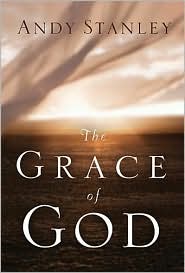
 In his latest book, “The Grace of God”, Andy Stanley writes about a subject that many people today, including Christians, want to understand better. God’s grace. In his usual engaging, witty, and thought-provoking manner, Stanley aids the reader in better understanding the gift of God’s grace.

 Grace is a topic that has been written about extensively. Stanley admits this from the outset of the book. I liked many things about this book. One, I like how Stanley takes the reader back to the beginning at the Garden of Eden and tracks God’s grace through the New Testament. He shows grace touched the lives of Abraham, Joseph, David, Rahab, Jonah, the Samaritan woman, the thief on the cross, and Paul. I found Stanley’s treatment of the life of Judah especially powerful. I also liked how Stanley used personal experiences from family and church life to help the reader bridge the gap as to how grace looks in everyday life. In every chapter, there was a major theme the story and chapter rested upon. Stanley drew the reader to that point which helped to better understand how grace was demonstrated. Andy Stanley is a gifted communicator. His style was an asset to a subject that at times is difficult to get your arms around.

“The Grace of God” is not a theological workbook on grace. I think that is what makes it a success and worthy of your time. The truths that Stanley share show the reality that grace is something that humans could have never conceived. He writes, “Grace is the offer of exactly what we do not deserve. Thus, it cannot be recognized or received until we are aware of precisely how undeserving we really are.”

FIFS : Acts 17:1-4

Now when they had passed through Amphipolis and Apollonia, they came to Thessalonica, where there was a synagogue of the Jews. 2. Then Paul, as his custom was, went in to them, and for three Sabbaths reasoned with them from the Scriptures, 3. explaining and demonstrating that the Christ had to suffer and rise again from the dead, and saying, “This Jesus whom I preach to you is the Christ.” 4. And some of them were persuaded; and a great multitude of the devout Greeks, and not a few of the leading women, joined Paul and Silas.

The old saying goes, “A rolling stone gathers no moss”. Those words fit the Apostle Paul perfectly. Paul was a journeying man. He was always moving. Always listening. Always sensitive to the leading of the Holy Spirit. Always on mission.  As you read through the book of Acts you encounter such phrases as “they went from” and “when they had passed through”. The missionary teams that Paul led were active and consumed with the mission of Christ. Geography, distance, hostility, lack of comfort, and weather could not keep Paul and his companions from sharing the message that Christ was the Messiah. For Paul, the gospel was not just an event (something he did), rather it was a lifestyle (something that he lived). Verse two makes it clear that Paul sought opportunities to speak of Jesus Christ. Notice, “as his custom was”. He knew his mission and his message “explaining and demonstrating that the Christ had to suffer and rise again from the dead, and saying, “This Jesus whom I preach to you is the Christ”.

We live in a far more mobile and connected society than did Paul. Travel is easier. Where it would have taken weeks to cover a few hundred miles can today be done in one or two days. Where Paul carried limited scrolls of the biblical text, today we have  completed Bibles in print, on our computer, and even on our phones. Where Paul would have sent letter to the churches by messenger, or carried them himself, taking weeks upon weeks for a return answer, today we can send texts and email around the world and get an answer within seconds. As mobile as we are and as connected as we are, are we using that to our advantage?

We know that is was Paul’s custom, or habit, or practice to speak for Christ wherever he found himself. Do we look for ways to share the gospel all the places we go? Do we utilize all the tools available to us? It is true as many say that the world is getting smaller. Now, we know that the earth is not shrinking. Technology and ease and convenience of travel are bringing the world together. As the world gets smaller, we find more and more people groups who have never heard the name of Jesus. It is not just overseas. There are pockets of North America that have been isolated and don’t know there is a Savior who loves them. As Paul traveled he was sensitive to people and their plight. As we travel we should “make it our custom” to be sensitive to the lostness around us.

Worth Repeating

“Before anything that is truly of God can be born, your own preferences have to die. Your desire to lead a contemporary / emerging / casual / formal / whatever church has to be laid on the altar and sacrificed in order to receive Christ’s call and mission to this community. That is what Jesus meant when he said to his disciples in Luke 9:23, ‘If anyone would come after me, he must deny himself and take up his cross and follow me.’ Are you willing to die to your preferences so the people in your community can be reached with the gospel? Is your church willing to move out of its Christian subculture and relate to its community? Is it possible that you and your church are missing out on some of the blessings of the gospel because you have been unwilling to die to yourself and your preferences?”

Ed Stetzer, from his book Breaking the Missional Code

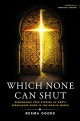
Book Review : Which None Can Shut

American Christians take much for granted. We have an unlimited access to the Bible and are allowed to worship and proclaim our faith in Christ without fear of physical harm. Christians serving as missionaries in the Muslim world are not so fortunate. Which None Can Shut; Remarkable True Stories of God’s Miraculous Work in the Muslim World is an intriguing book by “Reema Goode” (her name has been changed for security reasons) that chronicles her experiences as a Christian living in a hostile Arab country. With passion and raw emotion she describes how God is opening doors for the proclamation of the gospel among the Muslim people group.

This book is about relationships. “Reema” speaks from the vantage point of a relationship-builder. She tells of her occasions to meet and get to personally know the women who were her neighbors. She takes the reader through her journey of taking time to get to know these women and their families and understand their Muslim culture and traditions. As trust was built from first being a friend, she was able to share the gospel with as the door opened.

I really enjoyed the honest and accurate portrayal of the Muslim culture in this book. For those of us with little or no experience with Islam of the Muslim faith, Which None Can Shut gives some much needed and helpful insight. This book helped to know how I can better pray for Muslims around the world. Whether intentional or not, “Reema” gives the reader practical steps to beginning a dialogue with someone of the Muslim faith.  If you want to know how to pray for Muslims, and also how to pray for the missionaries working to reach them for Christ, you will find this book encouraging, helpful, and enlightening.

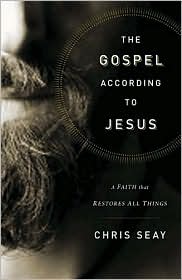
Book Review : The Gospel According to Jesus

As a pastor, I try to do as much reading on the subjects of the gospel and the life and ministry of Jesus Christ as I can. So, when I saw the title of Chris Seay’s book, “The Gospel According to Jesus; A Faith That Restores All Things”, I was interested. I had really high hopes for this book, but I must admit that I walked away from it disappointed. The Gospel According to Jesus deals heavily with the subject of righteousness and where true righteousness comes from. A good portion of this subject deals with a survey that Seay commissioned through Barna seeking insight into how professing Christians view the idea of righteousness.

This book was hard to follow. Seay, in an attempt to make his point, didn’t connect the dots for me. Between the survey, interview questions after each chapter, and the color picture inserts, it just did not come together cohesively. The one thing missing from the book that was offered in the title was the gospel. I had hoped to read more about the death, burial, and resurrection of Christ, which is the gospel. I understand this was a book written about faith, but not much was given about the root of saving faith. If you are looking for a book that expounds the death, burial, and resurrection of Christ, this is not it.